
The Power to Rewrite the Story
announcements
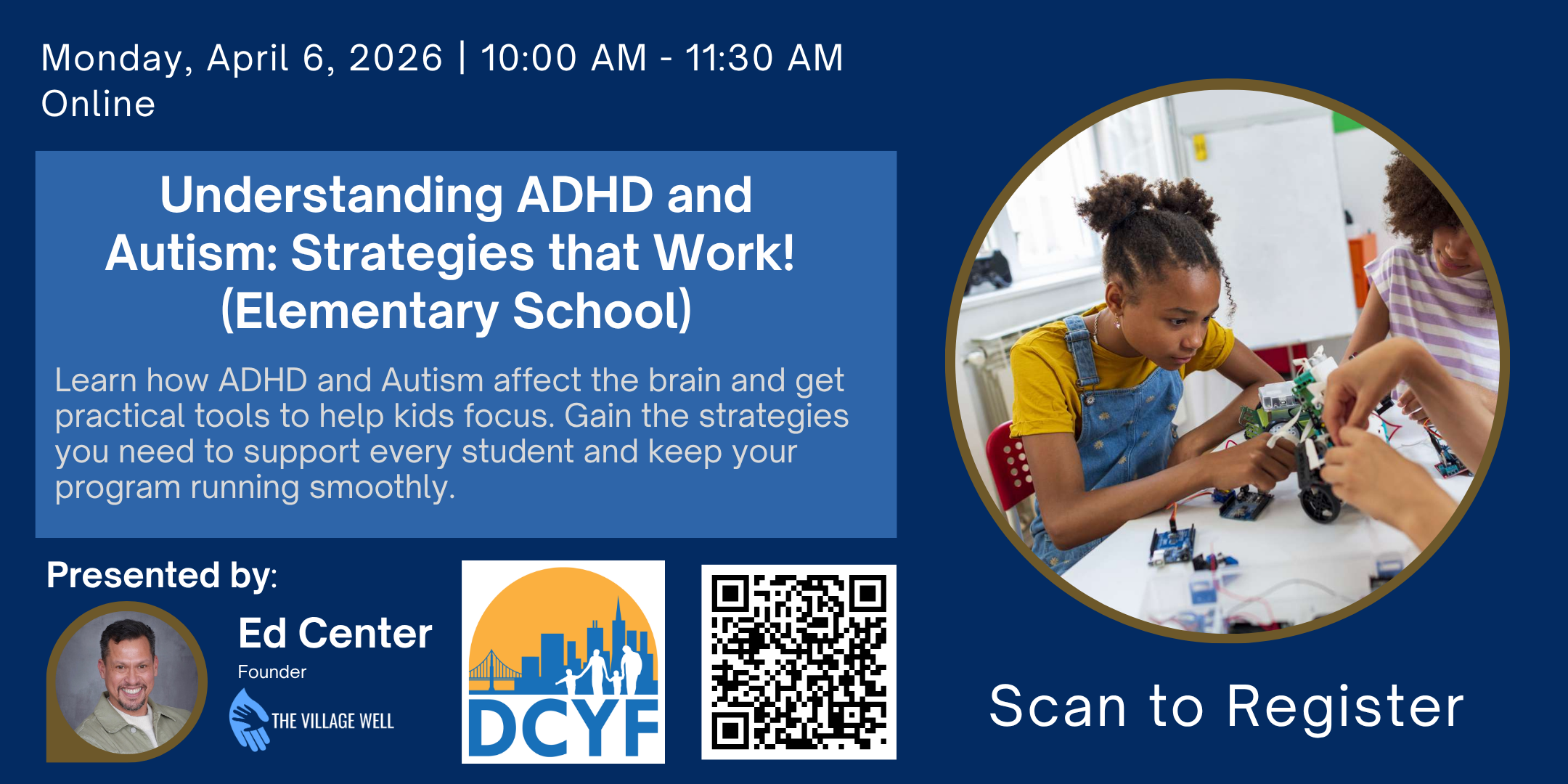
Understanding ADHD and Autism: Strategies that Work!
Monday, April 6, 2026 | 10 AM to 11:30 AM (Elementary School Version)
Wednesday, April 8, 2026 | 10 AM to 11:30 AM (Middle and High School Version)
Free | DCYF Grantees
Unlock practical, classroom-ready strategies to support neurodivergent learners in the elementary years. This workshop moves beyond theory to provide a "toolbox" for educators and staff working with students with ADHD and Autism. We focus on strengths-based approaches that reduce frustration and foster engagement.
What You’ll Learn
Brain Basics – We’re breaking down sensory stuff and executive function (minus the boring jargon).
Cool & Collected – Learn how visual schedules and easy transitions can totally nix that "transition anxiety."
Hook 'Em Early – Use their favorite topics and a little movement to make learning actually stick.
Skill-Building > Compliance – Ditch the "rules for rules' sake" and start using tools that actually empower your students.
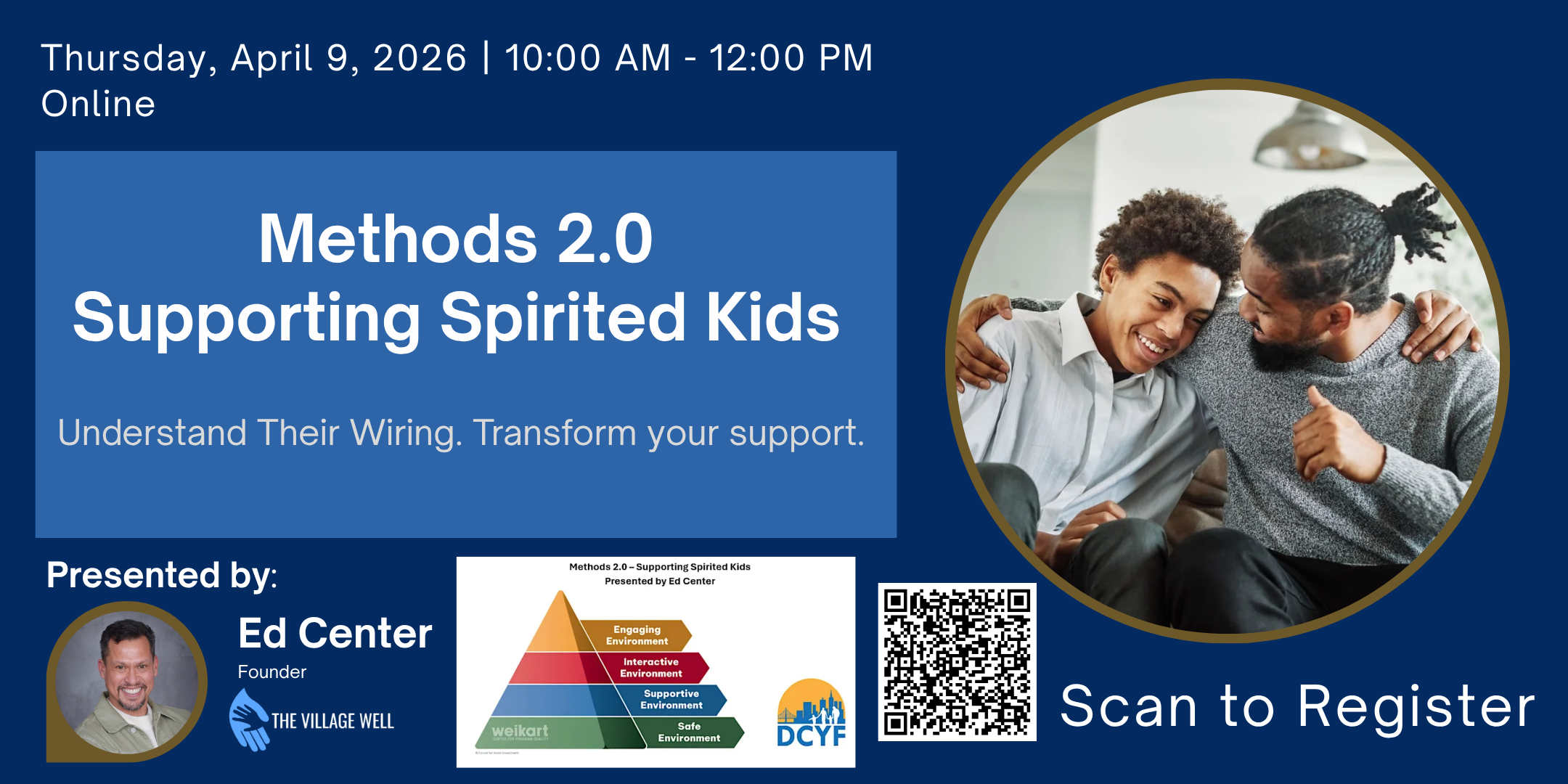
Methods 2.0 - Supporting Spirited Kids
Thursday, April 9, 2026 | 10 AM to 12:00 PM
Free | DCYF Grantees
This workshop is offered as a Methods 2.0 Improvement Workshop.
Support spirited, high-energy, and ADHD kids by trading power struggles for partnership. Join our workshop to move beyond "one-size-fits-all" approaches and learn tools that honor how unique brains are wired.
What We’ll Explore:
The Vibrant Brain: Understanding unique wiring and the "Dopamine Connection."
Mindfulness in Motion: Calming techniques for kids who need to move.
Heart-Centered Connection: Tools to build belonging and significance.
Empowering Agency: Using "The Choice Is Yours" to build confidence.
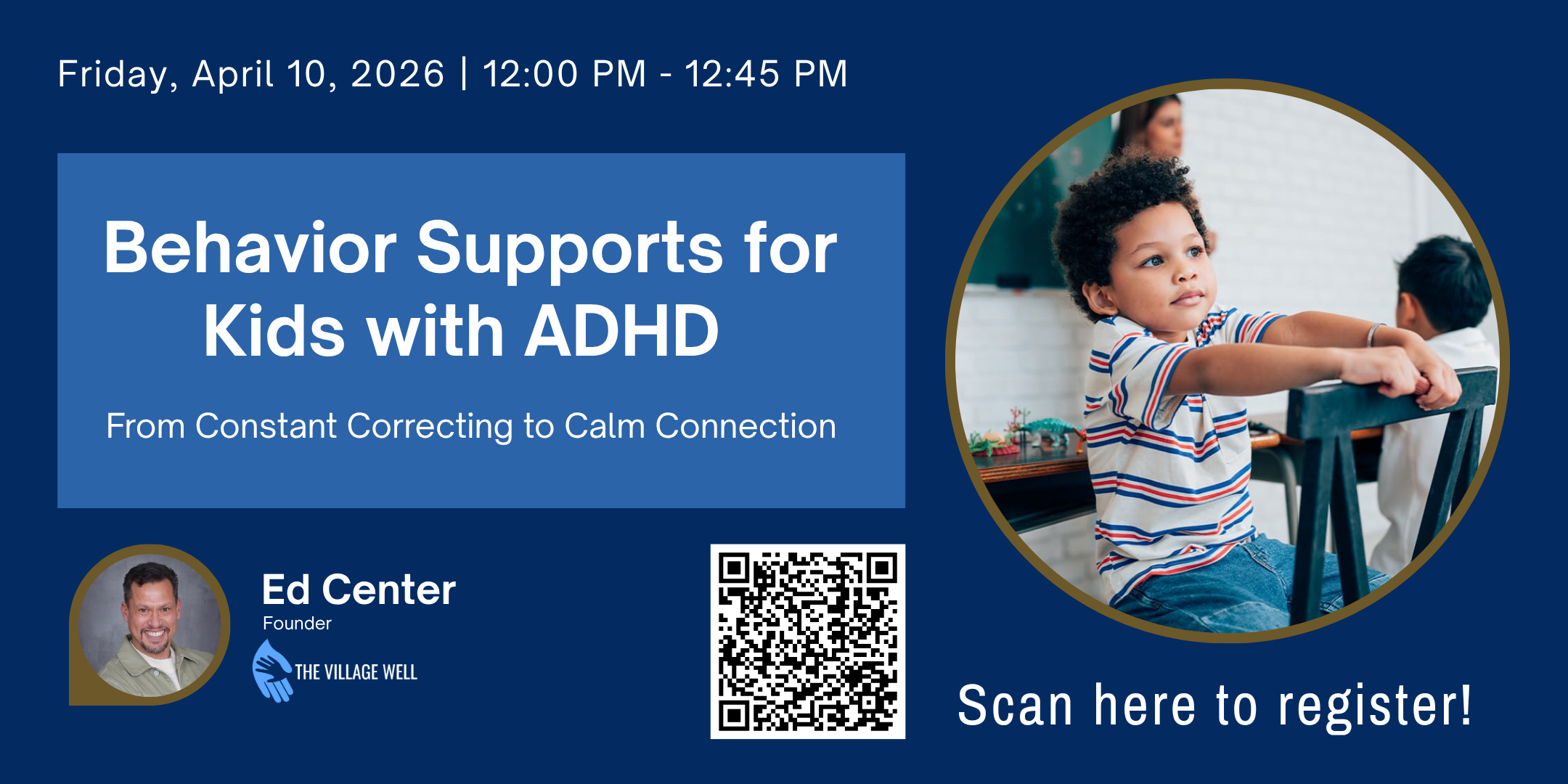
Behavior Supports for Kids with ADHD
Friday, April 10, 2026 | 12 PM to 12:45 PM
Free | Everyone
Do you have a child or student with ADHD? Or do you suspect ADHD because of their wandering attention, restlessness, impulsivity, or easy distraction?
Join our FREE Friday workshop to learn about behavior support strategies that work!
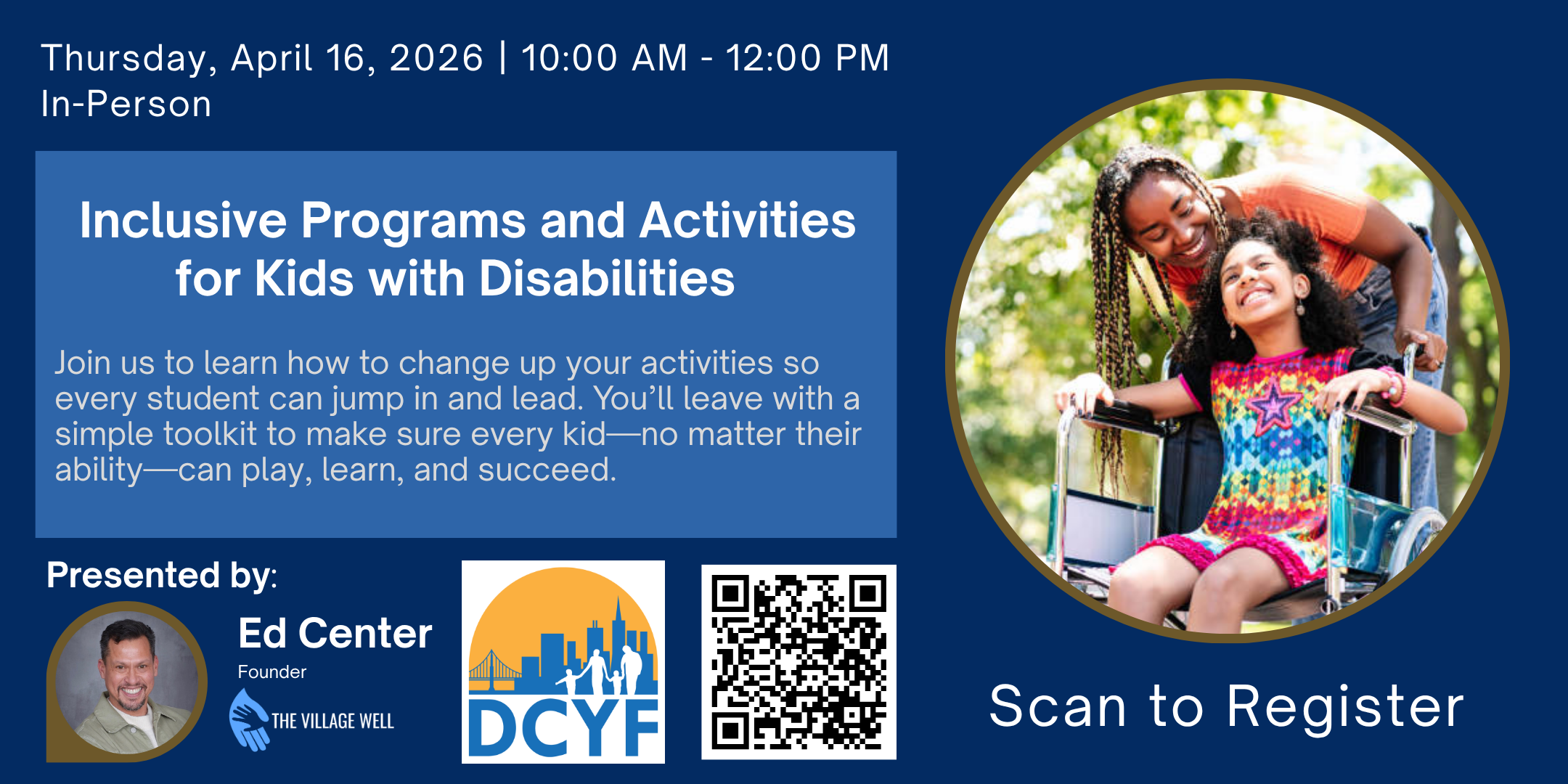
Inclusive Programs and Activities for Kids with Disabilities
Thursday, April 16 | 10 AM to 12 PM
Community Music Center, The Mission, San Francisco
The Vibe: Reflective, inclusive, and highly interactive!
Free | DCYF Grantees
Join us at the iconic Community Music Center in the heart of the Mission for a high-energy, interactive workshop designed to transform how we support Kids with Disabilities (KwDs). We’re ditching the dry lectures and diving deep into real practice—covering everything from neurodivergence and physical disabilities to trauma-informed care.
This isn't just about information; it’s about transformation. Come prepared to reflect, connect, and move a little!
the heart of the matter
This is Part 2 of a three-part series on regulating our nervous systems. Read Part 1 here.
When I realized I needed to change how I responded to my kids’ big behaviors, I felt stuck. Parenting advice says “stay calm” and “be the adult in the room,” but no one tells you how. I have big feelings. I suck at patience. My mom had a quick temper and held us responsible for her emotions, so I didn’t have a model. My reactions felt automatic; almost cellular.
They weren’t.
With my therapist, I learned something critical: I don’t lose my shit because of what happens. I lose my shit because of the story I tell myself about what happens.
Here’s an example. You’re stopped at a red light. Just before it turns green, a slow pedestrian crosses, making you wait.
Scenario A: a 20-something guy with big headphones, staring at his phone, sauntering across like he owns the place. He serves major tech bro vibes.
Scenario B: a mom pushing a stroller, carrying groceries, pulling a four-year-old.
Same inconvenience—very different reactions.

In Scenario A, I’m irritated. He’s inconsiderate, oblivious, entitled. I yell through the windshield and gun it the second he’s clear. In Scenario B, I feel empathy. I know how hard that is. I wait patiently, silently wishing her strength.
Nothing changed but the story, but the story changed everything. That’s where the magic is. We have the power to rewrite the story.
Maybe the guy in Scenario A just got laid off. Maybe he’s walking to clear his head, trying to figure out what comes next. With that story, I’m calm. I wait. I move on. Is that story true? Probably not. But it doesn’t matter. What matters is that I stay regulated. The moment passes without adding stress to my life.
We can do the same with our kids.
I once coached a mom whose child constantly hummed. It drove her up the wall. When I suggested he might be stimming, she laughed and said, “Well, now I feel like an a-hole™.” That small shift changed everything. She moved from irritation to curiosity. From there, we made a plan: he could hum in another space, she could join him, or she could look for the need underneath the behavior and support that. Her new knowledge created a new story that kept her regulated and patient.
Once we change the story, we also need to practice new actions that will replace our previous triggered response. This is where Scripts come in. Scripts are phrases that we prepare and practice ahead of time for these challenging situations. For the mom with the humming kid, she practiced the following, “Mijo, I love your voice, but I’m concentrating on something right now. Could you hum a little quieter?”
Behavior is communication. When kids act out, they’re telling us something: I’m overwhelmed. I’m frustrated. I’m tired. I don’t feel safe. When we stay regulated, we can get curious instead of reactive. We can ask: What is this child communicating? How can I support them? How can I teach them a better way to express this need?
Helping them learn to communicate feelings through words and appropriate actions is one of the hardest—and most meaningful—parts of parenting and teaching.
A bonus note: Changing the story and practicing scripts is a great tool for many situations beyond parenting. This works with spouses, coworkers, and judgemental mothers-in-law.
stories of hope
I Taught My Son Everything Except How To Take a Vacation. This NYT essay is ostensibly about a mom and son taking their first true vacation together. It’s really about motherhood, the connections we forge with our children, and the beautiful pain we feel when they’ve successfully arrived at the threshold of adulthood. Read here.
rant against screen time
Big Tech was finally held liable—but for Annie McGrath, this victory is personal. After losing her 13-year-old son to a viral "challenge" pushed by algorithms, Annie has spent years fighting for the moment a jury would finally prioritize children’s lives over corporate profit. Read her powerful perspective on this week’s historic court rulings and what they mean for the future of the Kids Online Safety Act. Read here.
The Great College Tech Fast Last month, a group of college students did the unthinkable: they locked away their smartphones for seven days. This NYT feature explores the "tech fast" at St. John's College, documenting the withdrawal symptoms, the social awkwardness, and the eventual sense of peace that came from living a week offline. Is this the future of campus wellness? Read here.
we’re obsessed with
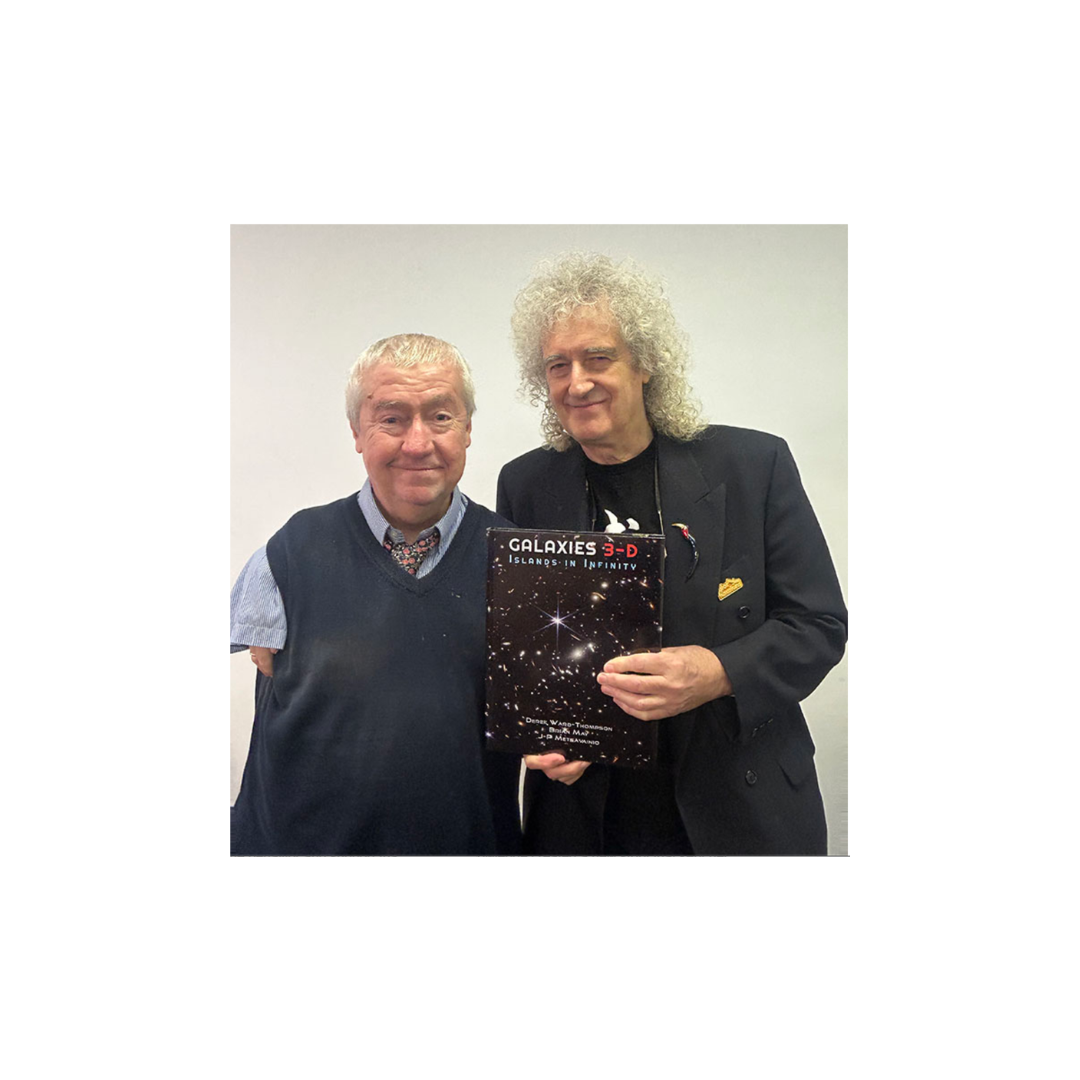
🎶Is this the real life? Is this just fantasy? Caught in a landslide, no escape from reality. Open your eyes, look up to the skies and see. 🎶We’re hooked on this Science Friday podcast segment featuring Queen guitarist (and astrophysicist!) Brian May and researcher Derek Ward-Thompson. The duo discusses their new book, Islands in Infinity, which uses stereoscopic technology to transform flat galactic photos into immersive, 3D "spacescapes." It’s a stunning way to see the universe with brand-new depth.
where we’ve been

We had a blast leading the Positive Interactions with Kids workshop for the Kids’ Country team! We took a deep dive into the heart of our work: creating spaces where every child feels seen, safe, and supported.
We’ve been busy building more inclusive spaces! This past month, we wrapped up our three-part Jumpstart Inclusion Series with Support for Families of Children with Disabilities (SFCD) and led an impactful training for DCYF focused on supporting youth with big feelings and challenging behaviors.

We had the honor of leading the "Parenting with Generational Wisdom" workshop at the California Academy of Sciences. We explored how our family histories influence our parenting today and how that understanding can help us build calmer, more connected homes.
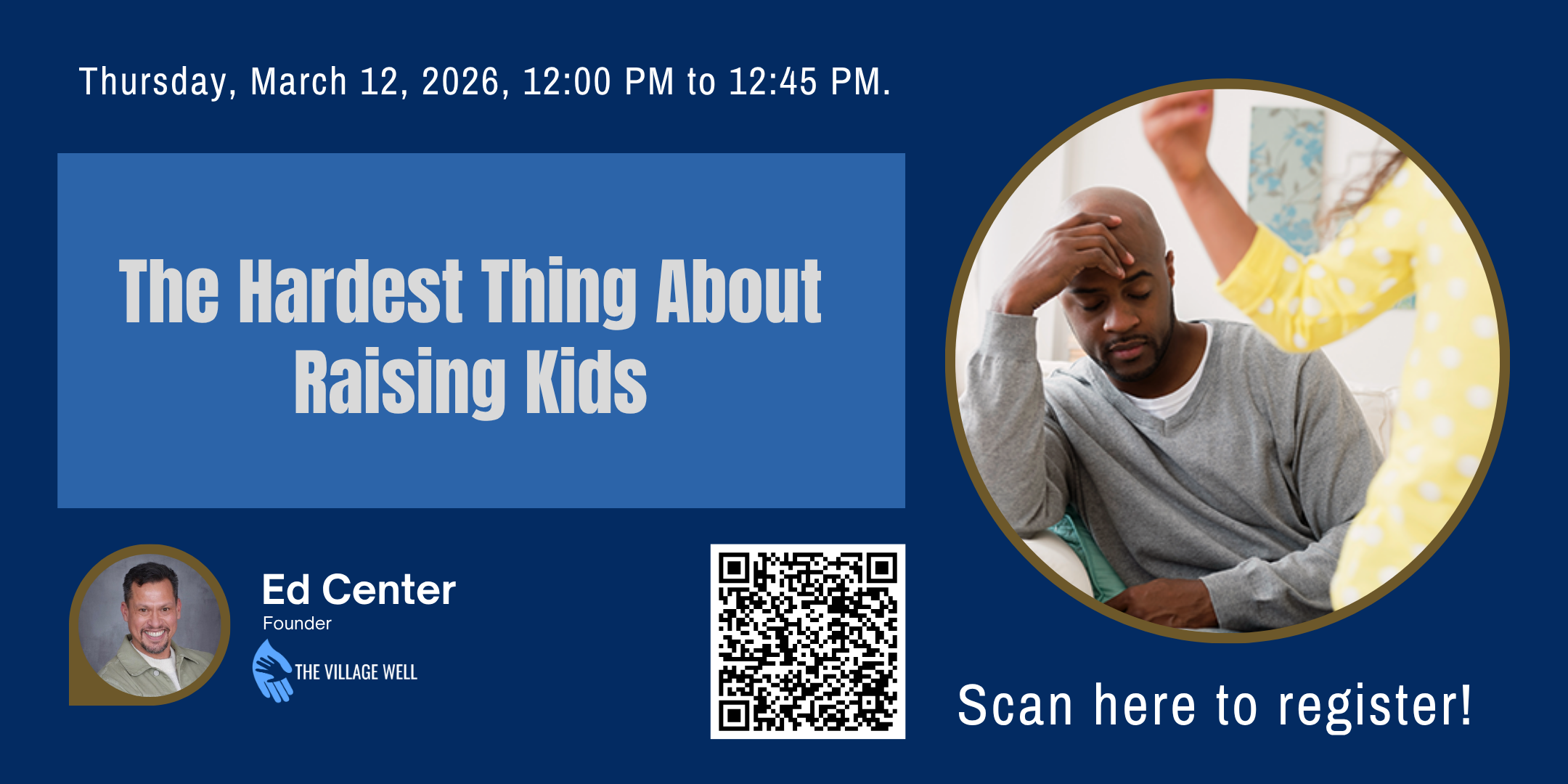
We facilitated The Hardest Thing About Raising Kids, a session dedicated to the raw, often unaddressed challenges of modern parenting. We moved past the "highlight reels" to discuss what actually keeps us up at night. Click here to attend our next free workshop on April 10.
Book a workshop for your school or organization
Bring The Village Well to your school or organization. We provide powerful, interactive and fun workshops for parents and/or staff. Learn more

Ed Center, the founder of The Village Well, is a parenting coach and educator certified in the Triple P method. The Village Well is a community of parents in BIPOC families, focused on attaining more joy, calm, and meaning in family life. We coach parents to prioritize their own healing and wellness, deepen connections with their kids, and learn tools to support better behavior. Services include Parenting workshops, Parenting courses, and community events. Our support is culturally-grounded support and honors your unique family. Ready to stop yelling? Schedule a free consultation with one of our team members.
FOLLOW THE VILLAGE WELL ON: