
My ADHD Part 2: The Art of Almost Finishing
announcements
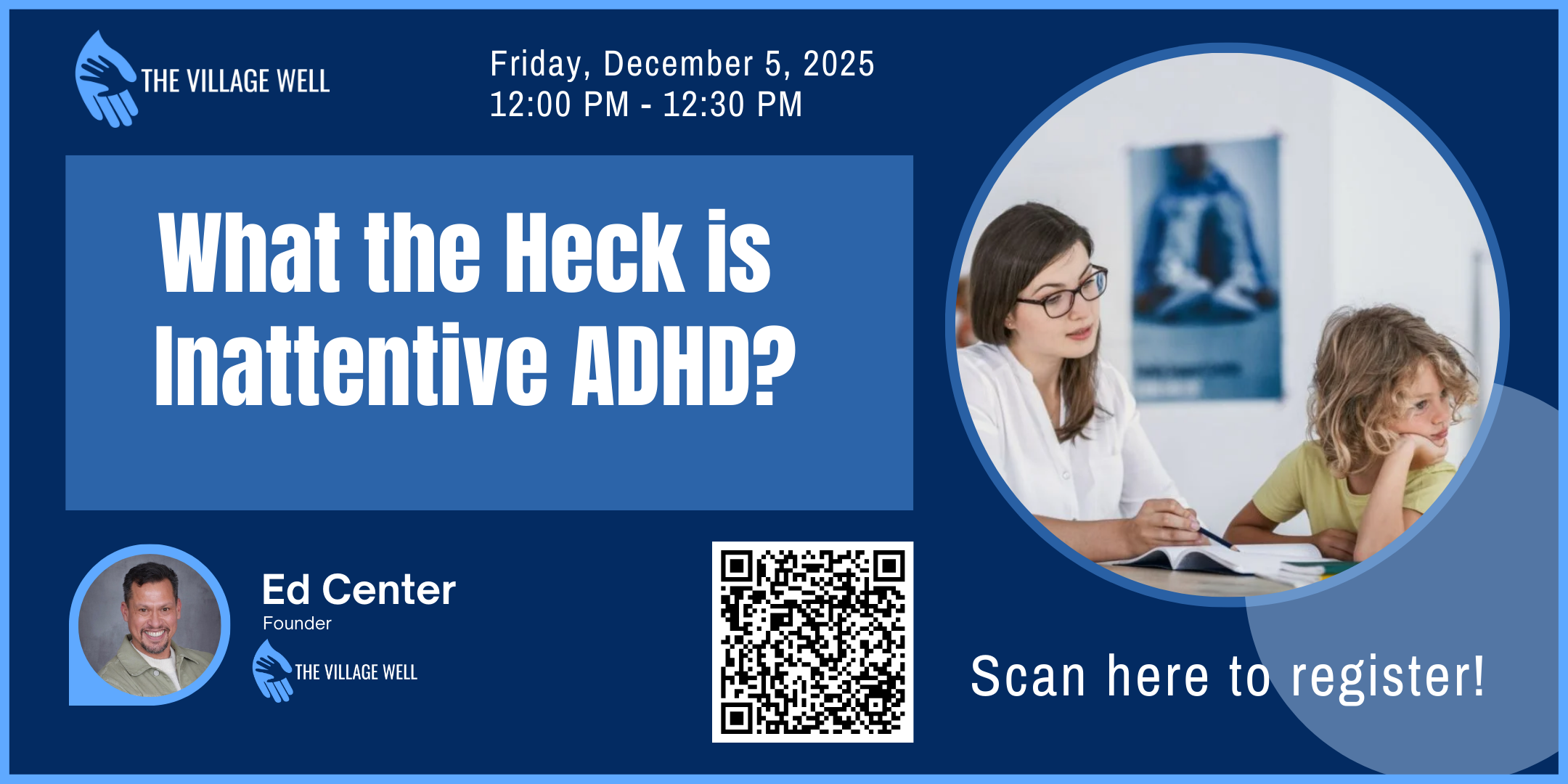
What the Heck is Inattentive ADHD?
Friday, December 5, 2025 | 12:00 PM to 12:30 PM
Free | Open to All
When we hear "ADHD," we often picture hyperactive kids. But what about the kids (and adults!) who struggle quietly—the dreamers, the deep thinkers, the chronically disorganized? This is often Inattentive ADHD, and because it's not loud or disruptive, it's frequently overlooked, dismissed as laziness, or misdiagnosed.
Don't miss out on understanding the quiet struggle!
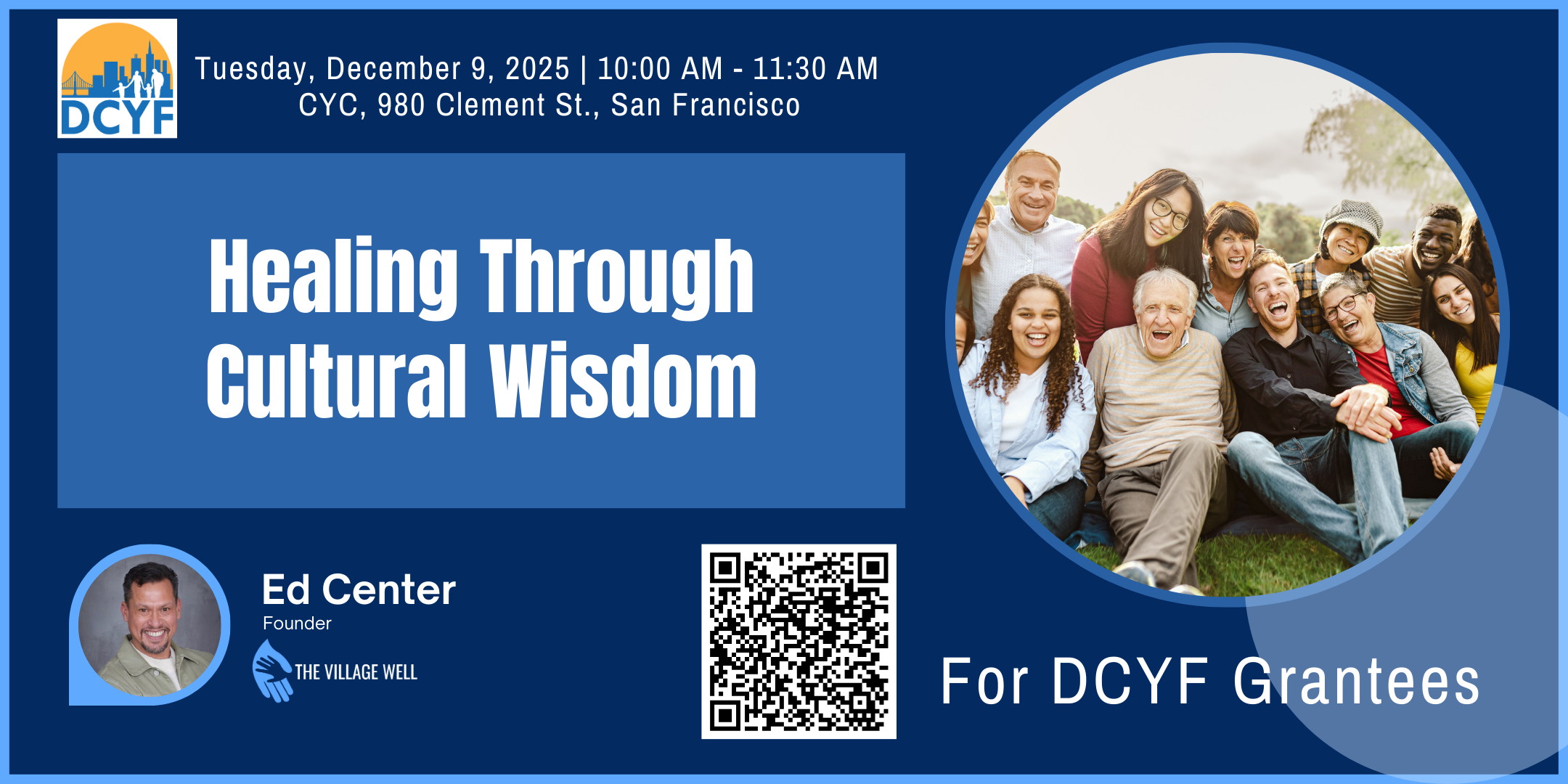
Healing Through Cultural Wisdom
Tuesday, December 9, 2025 | 10:00 AM to 11:30 AM
CYC, 980 Clement Street, San Francisco
Free | DCYF Grantees
Designed for youth development professionals and educators, this intensive workshop provides an equity-focused framework to address intergenerational trauma. The session focuses on a critical shift in perspective: utilizing a family's deep cultural wisdom as the primary asset for building sustainable resilience and profound healing.
We’re excited to host this session, designed specifically for the DCYF grantee community.
the heart of the matter
This is part two of a three-part series. Click here to read part 1.
When you grow up with undiagnosed ADHD, you become fluent in the language of self-blame. For most of my life, I carried a quiet belief that something was fundamentally wrong with me. Not wrong enough for anyone to notice, but wrong enough that I noticed. I spent a lot of energy trying to mask my deep flaws.
Other people struggled because life was full of problems. I struggled because I was the problem.

the art of almost finishing
I think the best symbol of my ADHD is the half-done project. I have a mental shelf full of them - two novels I’ve started, applying to become a VISTA volunteer but never following up, the entrepreneurs of color group that met exactly once, the annual SPAM cookoff competition that happens whenever I get around to it.
I start strong. I’m creative. I’m thoughtful. I do the heavy lifting. Then, right when the finish line is in sight, I lose steam. My brain battery is suddenly at 2%. It’s not that the finishing steps seem so hard, but they seem so uninteresting. On the list of life’s priorities, the project plummets. Organizing my desk, roasting a chicken on a Tuesday afternoon, or calling a friend who is going through it become urgent tasks.
As a business owner, this shows up in very real ways. I’ll do all the hard parts of a project: the research, the design, the interviews, the strategy, and then deliver a final report that’s… honestly not my best work. My drafts can be brilliant. My conclusions can be sharp. But when the client asks me for revisions I receive their requests with the angst of a teenager being told to sweep the floor.
For years, I thought this meant I was undisciplined or irresponsible. Now I know about the dopamine drop that happens when novelty disappears. For a neurotypical person, this might be a dreary part of the project that you just push through. But my brain is seeking stimulation with near life or death urgency. Doing the third draft feels confining to the point of anguish.
But before I had that understanding, I had shame.
the thesis that never was
Here’s a fun fact (actually not fun at all, and this is the first time I’m telling this story publicly):
I’m four units shy of achieving my bachelors’ degree. It’s been this way for 30 years.
I completed every single class I needed to graduate college. Every requirement, every project, every exam. The only thing I didn’t do? Write my honor thesis. That paper is worth four units and is the only thing standing between me and a degree.
People asked me why. Professors asked, my husband asked, my dad still asks! I had no answer. I never decided that I wasn’t going to write it. I just never got around to it. I wasn’t skipping class, I wasn’t slacking off. I just… couldn’t start. And then I couldn’t continue. And then I definitely couldn’t finish.
So instead of graduating, I quietly stepped into adulthood believing the worst about myself:
If you can’t even do this, maybe you’re flaky. Maybe you’re undisciplined. Maybe you just don’t have what it takes.
The saddest part wasn’t the failure to obtain a college degree, but the failure I absorbed into my identity.
the great towel wars of 1989
If you want a snapshot of inattentive ADHD in a Filipino household, here it is:
I was a senior in high school. I was eager, hardworking, and self-centered. Every evening after my shower, I would walk to my room with the towel wrapped around my waist… and drop it on the floor. The next day, I’d grab a fresh towel and do it all again. And again. And again.
My mom, also hardworking and way less self-centered, was trying to keep the house functioning. She took my towel use as a personal offense. She had to wash and fold all these towels. She asked me many, many, many, times to return the towel to the towel rack. I didn’t. To her, my failure meant I didn’t respect her. That I saw her as my servant. That I didn’t care about the effort she put into washing those towels.
She wasn’t wrong to feel frustrated. But we were living in two different realities.
In her world, the towel was a symbol of disrespect. In my world, the towel was completely invisible. Out of sight, out of mind. I wasn’t ignoring her requests; I forgot the towel existed the second it hit the floor.
This is the hidden casualty of undiagnosed ADHD: relationships get bruised by misunderstandings neither person knows how to name.
A post-script to this story: when my teenage son who also has ADHD started this exact same behavior, I had more context and more tools. When he wants to watch tv in the evenings, I’ll say, “Is the bathroom clean and the towel placed back on the rack?” He’ll say yes. I’ll go to the shower and come back with my notes. He’ll do it right, we’ll chuckle at the absurdity of our evening ritual, and we get on with our lives.
Masking, perfectionism, and the quiet performance of “I’m fine”
Children with inattentive ADHD become experts at masking because our struggles don’t look like struggles. We don’t disrupt the classroom—we disrupt ourselves.
So we try harder. And harder. And harder. We become perfectionists. People pleasers. Peacemakers. Overachievers.
We smile while drowning. We excel while exhausted. We succeed while quietly convinced we are frauds.
Even as an adult, with a career, a family, and a reputation for being dependable, the shame still lived in my body. I kept waiting for people to discover that I wasn’t actually put-together; I was just working twice as hard to appear that way.
I cried with both relief and frustration when I got diagnosed three years ago. Frustration at all the shame and blame I’ve experienced. Relief to finally know what was “wrong” with me.
For the first time, I saw that I carried this huge yoke of shame on my shoulders. It was filled with half-done projects, unmet deadlines, and unkept promises. I carried crushing overwhelm, a million white lies to cover my ass, dirty towels, and that damn thesis. The yoke broke and crashed to pieces on the foundation of my realization. There is nothing wrong with me. My brain just works differently.
But perhaps the most important gift of diagnosis was this: it helped me understand my son.
That’s where we’ll go in Part 3.
Want to learn more about inattentive ADHD? Come to my free workshop this Friday.
we’re obsessed with:
project NICU
Both my kids spent time in NICU. Unfortunately, I didn’t know them yet. We adopted them after their stays there. But I can imagine and empathize with the trauma of parents who don’t get to connect with their babies and bring them home in the way they had hoped. Project NICU is an organization started by moms who spent extensive time attending to their babies in NICU. They started out providing care packages and individual notes to hospitals in northeastern Ohio, and now provide peer run virtual support groups for parents who have or had kids in NICU all over the country. There are groups for dads, grandparents, L.G.B.T.Q.+ parents, parents of multiples — the list goes on. Consider them for your holiday giving!
holiday theatre
With apologies to my ballet-loving niece Gigi, I’ve never liked the Nutcracker. Here are a couple of theatre recs for Bay Area folks that are more my style.
Cinderella by the African American Shakespeare Company is a holiday tradition in the San Francisco Black community. Folks of all backgrounds will delight in this fun, joyful, and colorful take on the classic fairy tale. Expect hip hop music, costumes that scream extra, and stepsisters played by drag queens.* Dec 12 - 21. Get tickets here.
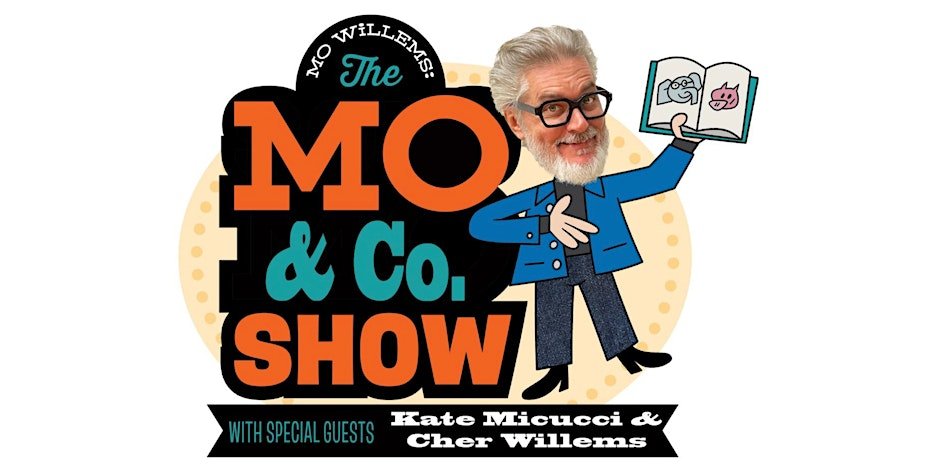
Raising young readers? Mo Willems, the brilliant author of Elephant and Piggie and Don’t Let the Pigeon Stay Up Late! is doing a mid-day show at the SF Sketchfest on January 18. My eight year old has just outgrown these books, but I might drag him there just so I have an excuse to go.
where we’ve been

At the DCYF Winter Wellness Conference 2025, we presented Building Welcoming Spaces for Kids with Disabilities. This active workshop provided hands-on strategies for inclusive youth work. The session focused on supporting all kids—including those with physical disabilities, neurodivergence (ADHD/Autism), and emotional challenges. Participants learned by doing, designing and playing games built for universal access.
The second session of The Mindful Resilience Series, delivered to DCYF grantees, was a deep dive into managing stress and trauma. Participants learned how to incorporate movement as a powerful antidote to stress, effectively bringing mindfulness practices to fidgety children (and adults!). Attendees left the session equipped with practical, ready-to-use tools to immediately integrate movement and mindfulness into their existing programming.
Join us for our third Mindful Resilience Session on January 6!
Book a workshop for your school or organization
Bring The Village Well to your school or organization. We provide powerful, interactive and fun workshops for parents and/or staff. Learn more.

Ed Center, the founder of The Village Well, is a parenting coach and educator certified in the Triple P method. The Village Well is a community of parents in BIPOC families, focused on attaining more joy, calm, and meaning in family life. We coach parents to prioritize their own healing and wellness, deepen connections with their kids, and learn tools to support better behavior. Services include Parenting workshops, Parenting courses, and community events. Our support is culturally-grounded support and honors your unique family. Ready to stop yelling? Schedule a free consultation with one of our team members.
FOLLOW THE VILLAGE WELL ON: